
The Bold, Earthy Sustenance of God’s Own Country
“Unpolished, robust, and nutrient-rich—the traditional ‘Palakkadan Matta’ that fuels Kerala’s vibrant culture.”
Key Highlights
🌾 Type: Unpolished Red Parboiled Rice | ⏳ Cooking Time: 20-25 mins
❤️ Best For: Hearty meals, diabetes management, traditional Sadhya | 🌍 Origin: The Palakkad Gap, Kerala
Health Benefits
A. The Science of Sturdy Grains
High Fiber Champion: Contains over 5g of dietary fiber per 100g, promoting digestive health and prolonged satiety.
Diabetic-Friendly Profile: Low to Medium Glycemic Index (54-58) due to parboiling and intact bran, ensuring steady glucose release.
Rich in Minerals: A good source of magnesium, zinc, and iron from the mineral-rich laterite soil of Kerala.
B. Ayurvedic Perspective
“Bhrimhana”: Considered nourishing and strength-giving, ideal for balancing Vata due to its unctuous and heavy qualities after cooking.
Postpartum & Convalescent Diet: The staple in “Karkidaka Kanji,” a medicinal monsoon porridge for detox and rejuvenation.
How to Buy: The Olivilakku Promise
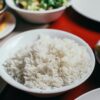
Look for the Red Hue: Authentic Matta rice has a distinctive reddish-brown bran layer. Avoid pale or unevenly colored grains.
Check the Grain: Grains should be plump, bold, and slightly irregular in shape—a sign of traditional, less-processed rice.
The Aroma: It should have a strong, earthy, and slightly nutty smell, characteristic of parboiled red rice.
Trust Stamp: Sourced directly from Palakkad’s trusted farmers, ensuring authenticity and support for local agriculture.
Storage Guide
Keep Dry & Airtight: Store in a moisture-proof container in a cool, dry place. The bran layer contains oils that can turn rancid if exposed to heat.
Shelf Life: Best within 10 months of milling for optimal flavor and nutrition.
Tip: Adding a few dried neem leaves to the container can help prevent insect infestation naturally.
Cultural Corner
A. The Feast of Sadhya
The indispensable base of the Kerala Onam Sadhya, served on a banana leaf. Its robust texture and ability to hold flavor make it perfect for pairing with multiple curries.
Harvest Rituals: First harvested grains are offered to Devi (Goddess) during “Vishu” and “Onam” as a symbol of prosperity.
B. The Farmer’s Grain
Historically known as the “Kudiraivali” of Palakkad, valued for its high yield and resilience, forming the economic backbone of many villages.
Tasty & Healthy Recipes
1. Classic Kerala Sadhya with Matta Rice
Why Try?: Experience the authentic taste of Kerala. The rice’s firmness perfectly balances the array of watery (rasam) and thick (avial) curries.
Olivilakku Secret: Cook with a pinch of salt and a teaspoon of coconut oil for enhanced flavor and separation.
Link: View Our Sadhya Guide
2. Matta Rice Kanji (Medicinal Monsoon Porridge)
Why Try?: A traditional detoxifying and strengthening meal, especially prepared in the monsoon month of Karkidakam.
Modern Twist: Cook with bone broth or lentils and garnish with grated coconut and cumin for a protein-rich version.
3. Spicy Matta Rice Biryani (Kerala Style)
Why Try?: A hearty, flavorful biryani where the rice doesn’t turn mushy and absorbs the bold spices beautifully.
Pairing: Best served with pappadum and a simple raita.
Comparison Spotlight
Olivilakku Kerala Matta vs. Regular Brown Rice vs. White Rice
Metric | Kerala Matta Rice | Regular Brown Rice | White Rice |
|---|---|---|---|
Processing | Parboiled & Unpolished | Hull removed only | Fully polished |
Texture | Bold, chewy, separate grains | Chewy, can be sticky | Soft, fluffy |
Flavor | Strong, earthy, nutty | Mild, nutty | Neutral |
Best Paired With | Robust curries, spicy dishes | Stir-fries, bowls | Mild curries, daals |
Cultural Tie | Kerala festivals & daily food | Health-conscious diets | Universal staple |
The Olivilakku Difference
Olivilakku Kerala Matta Rice brings you the true taste of Palakkad. We preserve the traditional parboiling process that locks nutrients into the grain while giving it its characteristic bold texture and deep color.